Inspection results pigs
Inspection results pigs
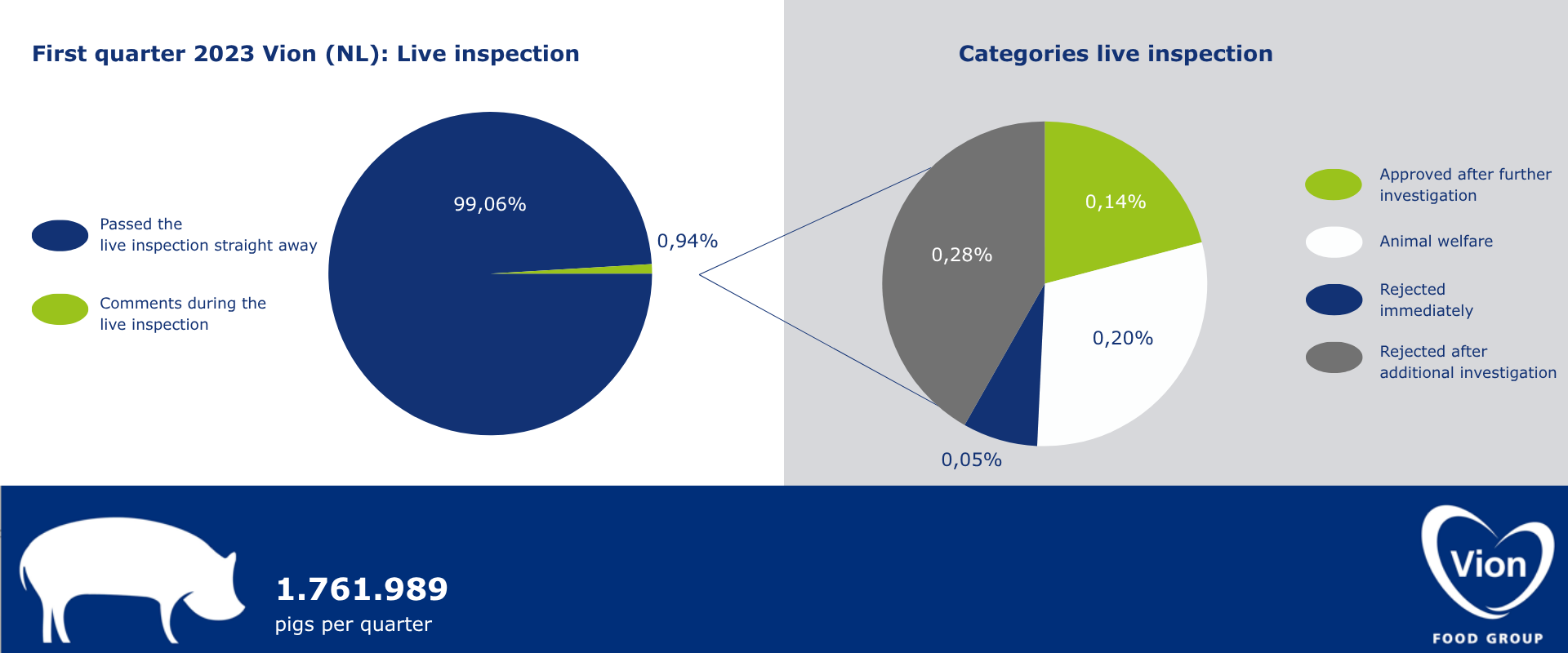
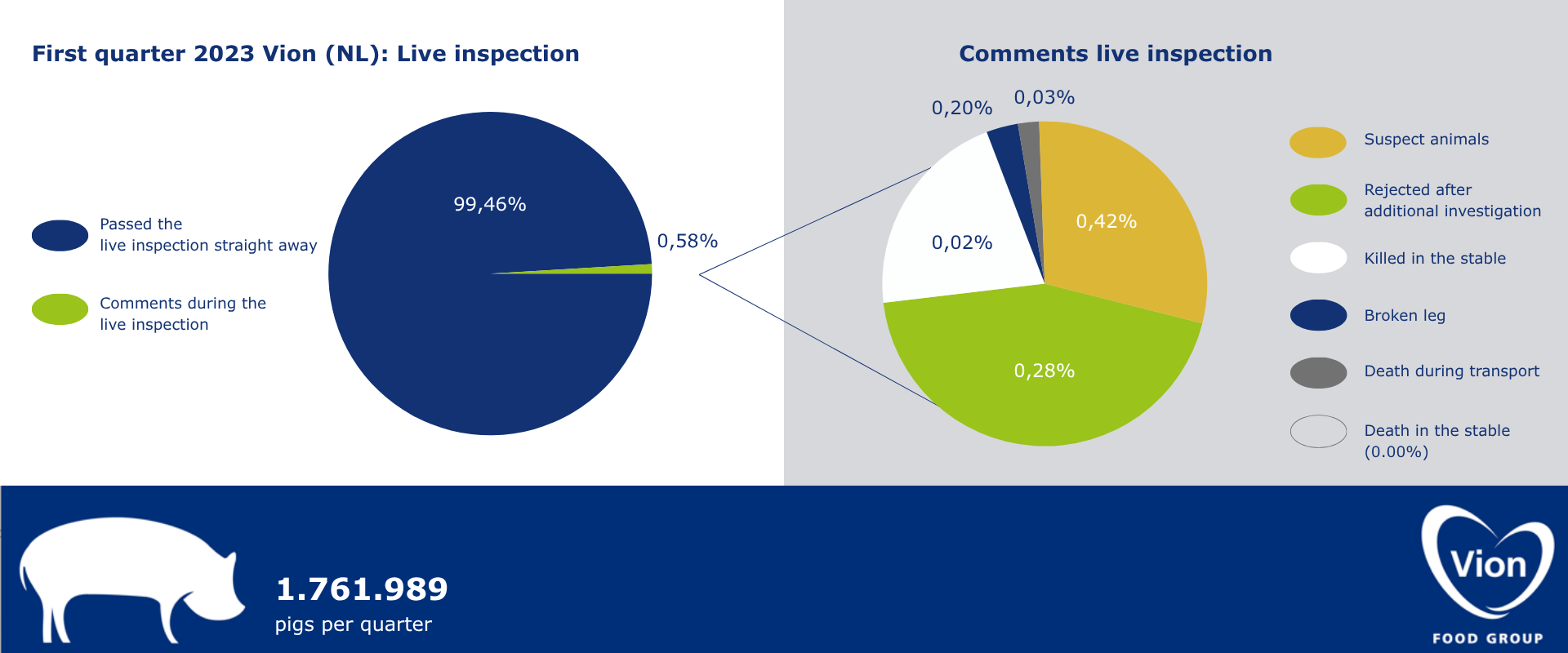
Live inspection upon arrival at abattoir
When the animals arrive at the abattoir, they are individually inspected by trained veterinarians from public authorities. The veterinarians pay particular attention to the health and welfare of the animals. Only healthy animals may be slaughtered and the welfare of all animals is safeguarded. If there is reason to doubt the health and/or welfare of an animal, the veterinarian carries out an additional examination.
The inspection of live animals is an important element in ensuring the safety of the meat for consumers. Besides a focus on the safety of the food, the suitability for the slaughtering process is also carefully examined by the government veterinarian. If necessary, slaughtering will take place with extra attention and at a lower speed.
Meat inspection - Food safety
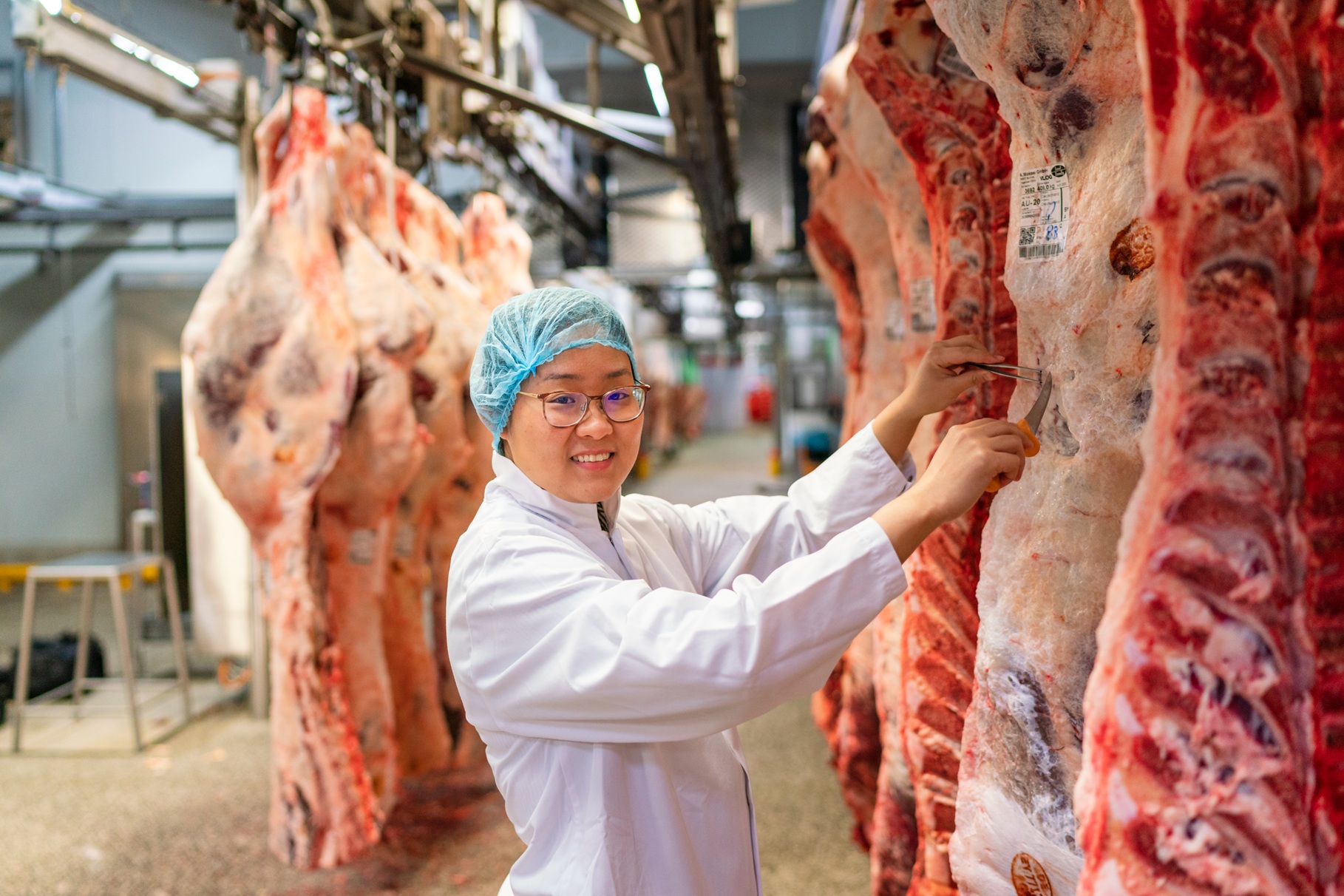
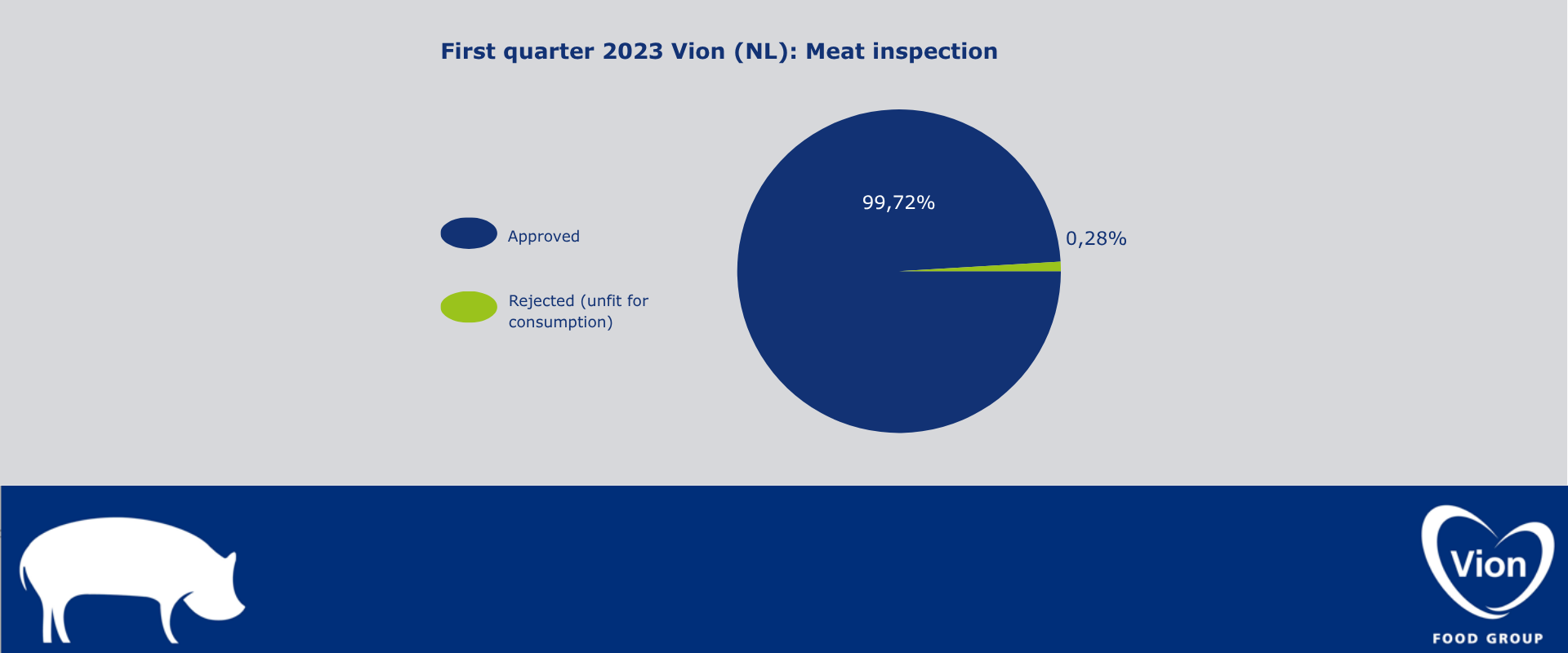
After inspecting live animals, the meat of each carcass is inspected during the slaughtering process. Inspectors and veterinarians from public authorities carry out this inspection. All parts of the animals are carefully inspected. Only meat that is absolutely safe is approved. Here, too, any reason for doubt means that extra examinations are carried out by public authorities.
The inspection results of the meat inspection (food safety) are summarized in the graph below. In the archive you will find the NL inspection results of the previous quarters and years.
Meat inspection - healthy animals
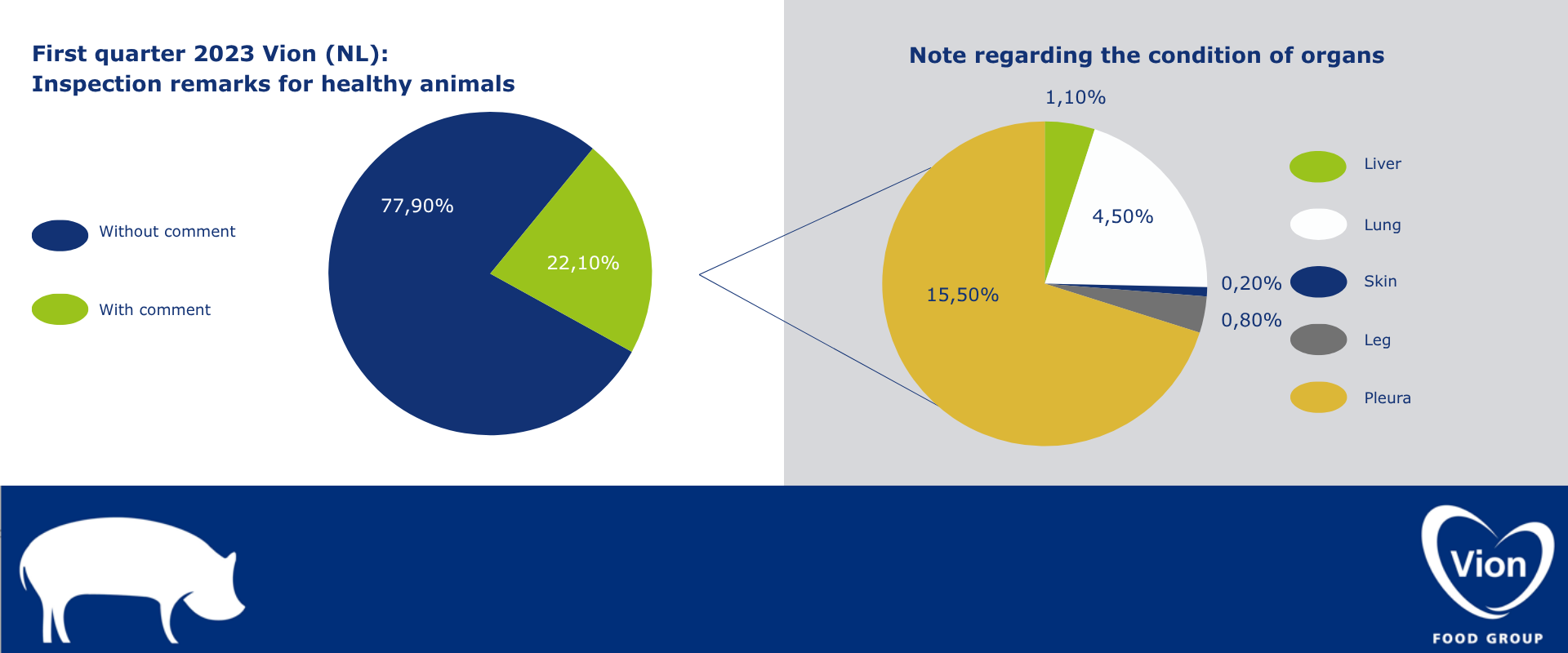
Due to the inspection of the meat by the NVWA and through measurements by Vion, a lot of information is available that is fed back to the livestock farmer. This information is not related to the safety of the meat, but says more about the condition of the animals at delivery to the slaughterhouse. This information, such as the condition of organs like the lungs and the liver, can be very useful to the livestock farmer in managing their business.
The inspection results of the meat inspection (healthy animals) are summarized in the graph below. In the archive, you can find the inspection results of previous quarters and years.
Official residue tests – antibiotics
The use of pharmaceuticals in animal husbandry is strictly regulated and may only take place after a thorough diagnosis and prescription by a veterinarian. After medication has been administered, statutory waiting times must be observed before a pig can be slaughtered for food production. The use of the medicinal product must be documented in detail by the farmer. Compliance with the rules is checked with official residue examinations at the slaughterhouse.
An official control program specifically focuses on checking the presence of antibiotic residues in meat. 0.5% of all slaughtered pigs undergo an official examination for antibiotic residues.