How we are inspected
External inspections are an essential part of ensuring food safety, animal welfare and compliance with legal requirements. These inspections are carried out by the competent authorities. In the Netherlands, this role is fulfilled by the Netherlands Food and Consumer Product Safety Authority (NVWA).
During production, official veterinarians are present at all Vion slaughterhouses in the Netherlands. They perform live animal and meat inspections to assess the health and welfare of every animal. In addition, independent accredited certification bodies carry out audits, and customers may also conduct their own inspections.
Inspection by the veterinary authorities
In all Vion abattoirs, internal and external inspections are considered of great value. Particularly important for consumers are the regular inspections by the veterinary authorities in Germany and the Netherlands. These are official government inspections in three key areas: official slaughter animal and meat inspections (abattoirs only), residue inspections (abattoirs only) and hygiene supervision of all Vion companies.
These government inspections mainly concern three areas:
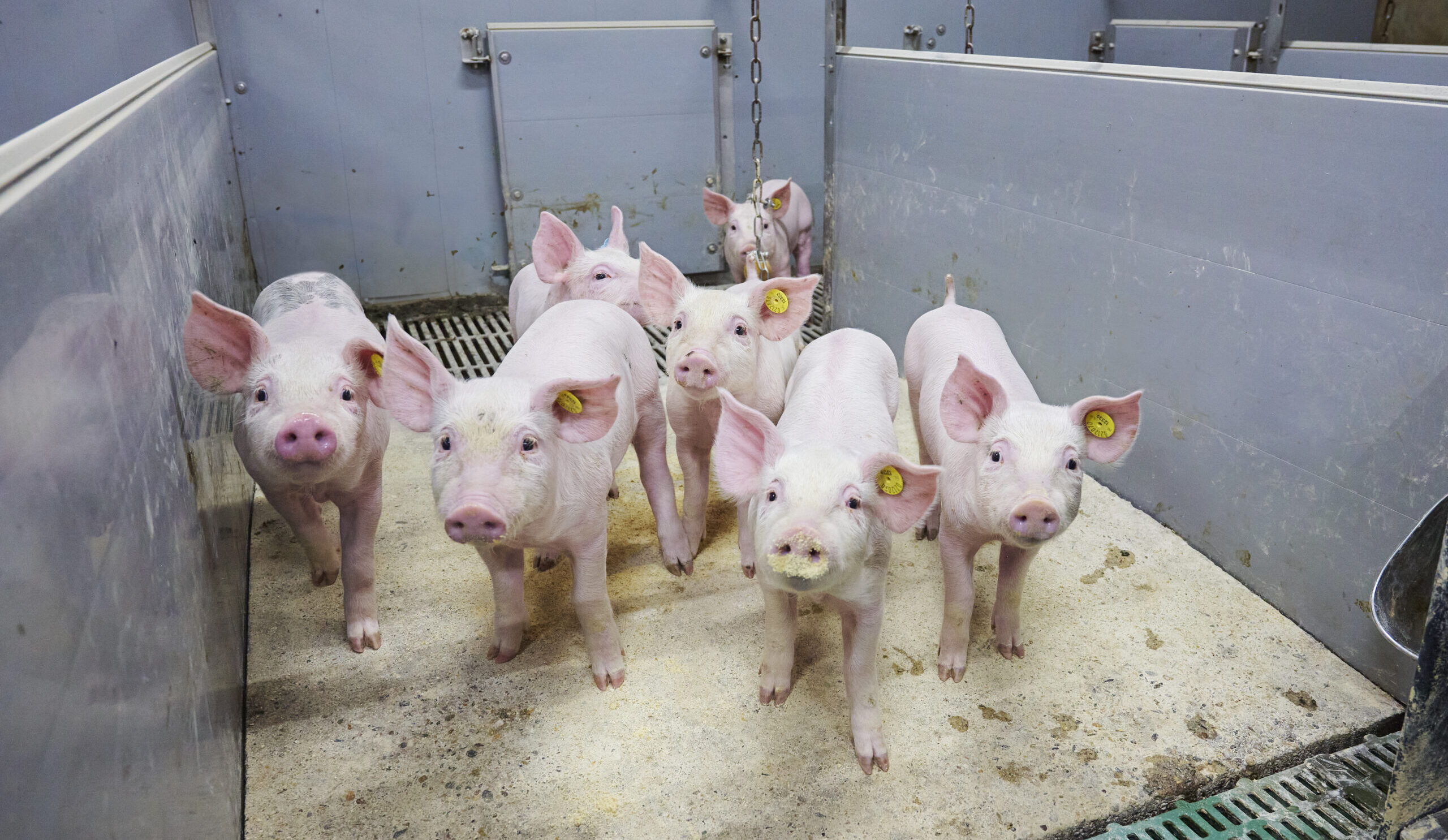
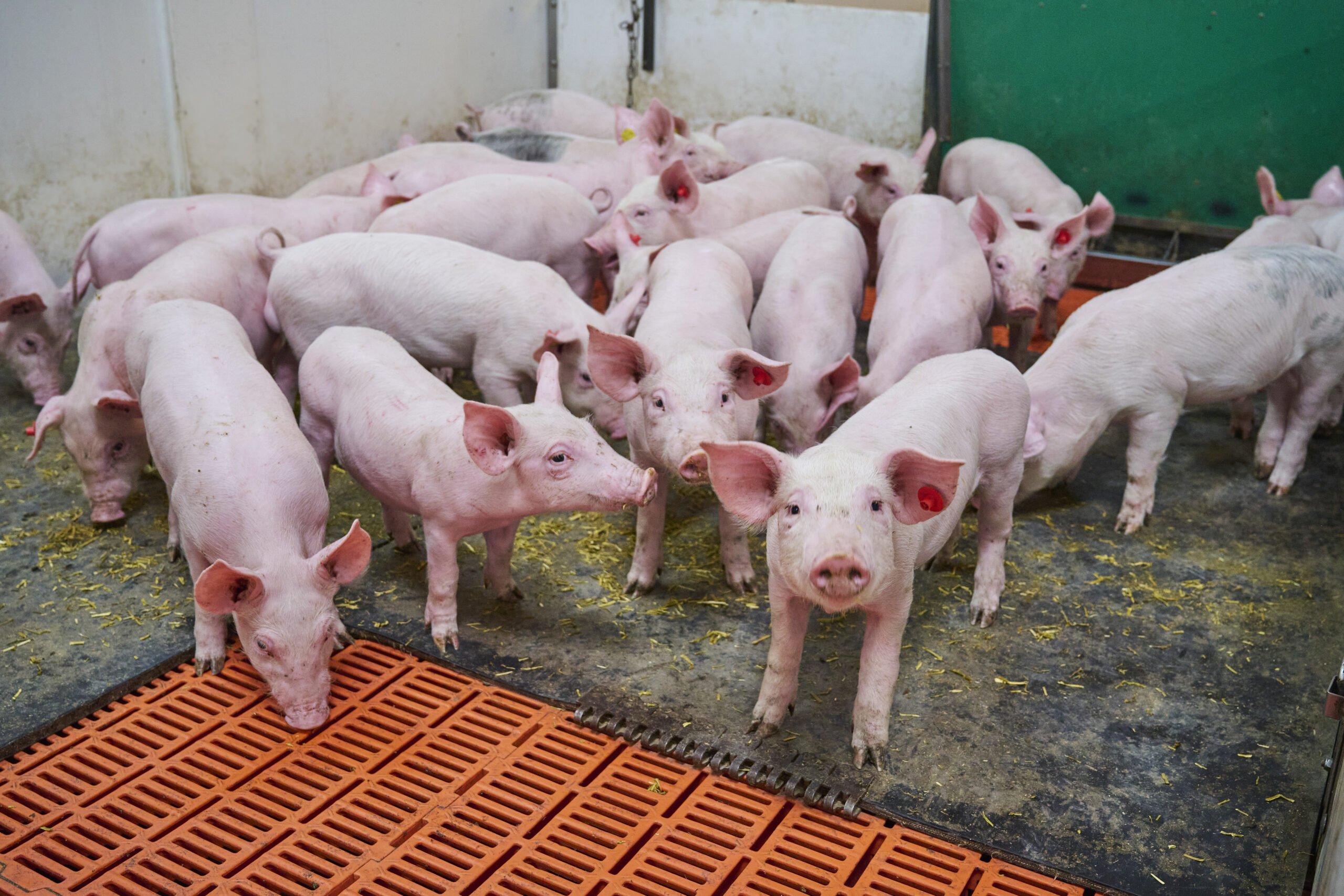
When the animals arrive at the abattoir, they are individually examined by supervising veterinarians as part of the official slaughter animal inspection. The veterinarians pay particular attention to the health and welfare of the animals. They check whether only healthy animals are slaughtered. Only healthy animals may be slaughtered. If there are reasonable doubts as to whether the health and/or welfare of an animal meets the standards, the veterinarian will carry out additional tests or decide that certain animals are not admitted to slaughter. The official slaughter animal inspection at Vion is a key element to guarantee food safety for consumers.
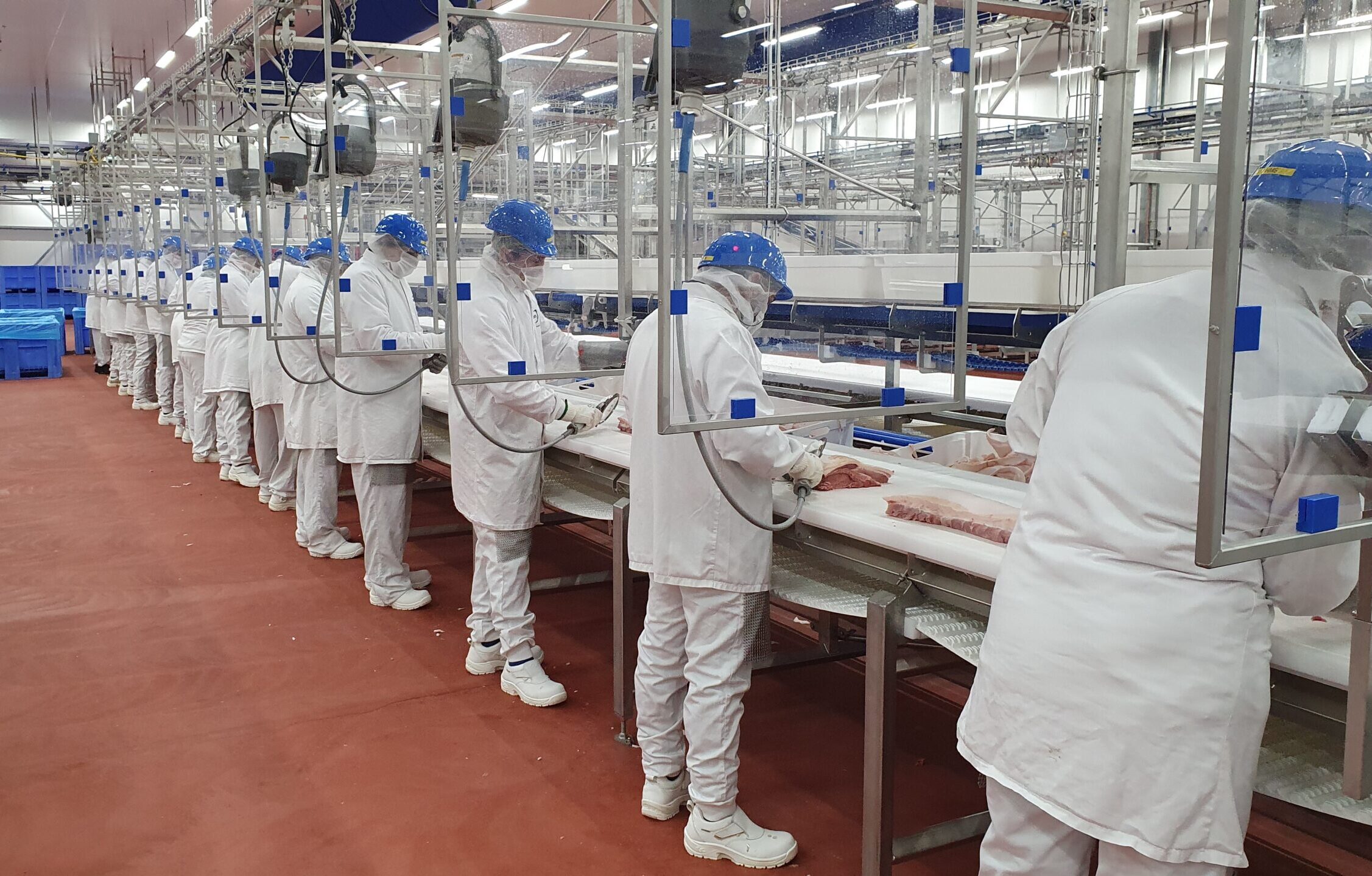
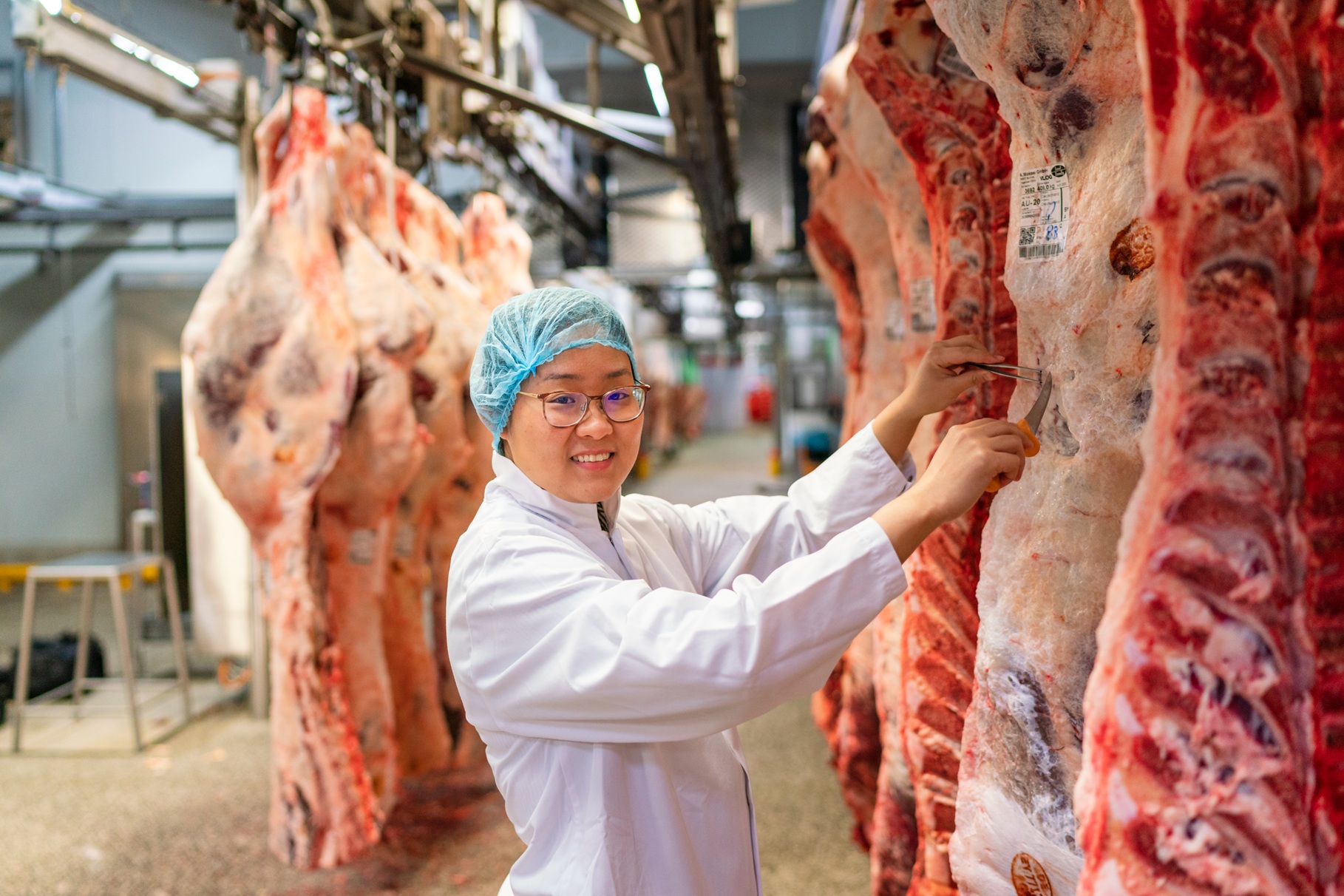
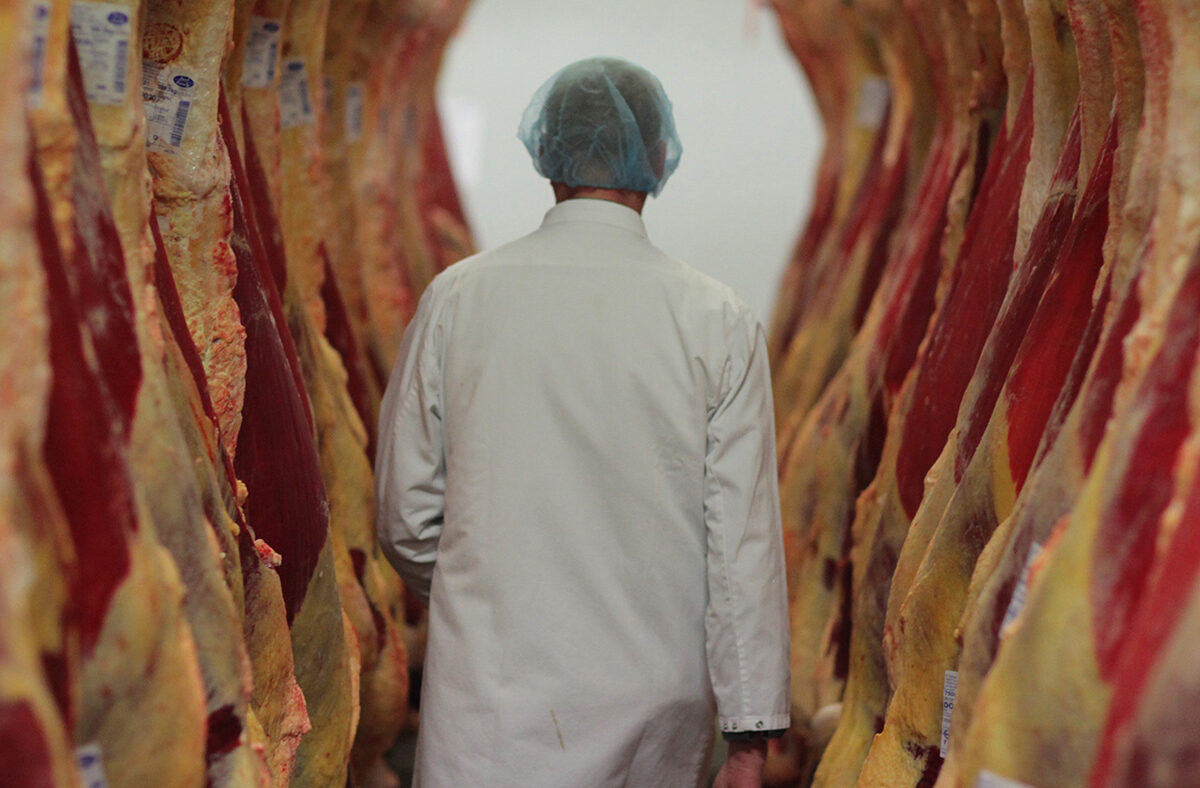
Meat inspections serve to check and assess carcasses and by-products for suitability for consumption. This work is carried out by supervising veterinarians and inspectors. The supervising veterinarian must mainly ensure that the EC stamp is only awarded to meat that has passed the slaughter animal and meat inspection. The EC stamp indicates that the meat is suitable for consumption.
If the official meat inspection yields indications that a disease has spread throughout the carcass or affects the carcass as a whole, the animal will be labelled unfit for consumption and will not enter the food chain. Meat that has been declared unfit is rendered harmless and disposed of under official supervision. Any localised abnormalities in parts of the carcass or organs are removed under the supervision of a veterinarian.
The results of the official slaughter animal and meat inspections at the Vion companies are published on the page inspection results.
The use of medicines in livestock farming is subject to strict rules and is only allowed with a prescription from a veterinarian. After administration of medication, statutory withdrawal periods must be adhered to before an animal can be slaughtered. Livestock farmers must keep an accurate record of medicine use.
The official residue inspections in the abattoir check for compliance with the rules. One of the test programmes checks the residues of antibiotics in meat.
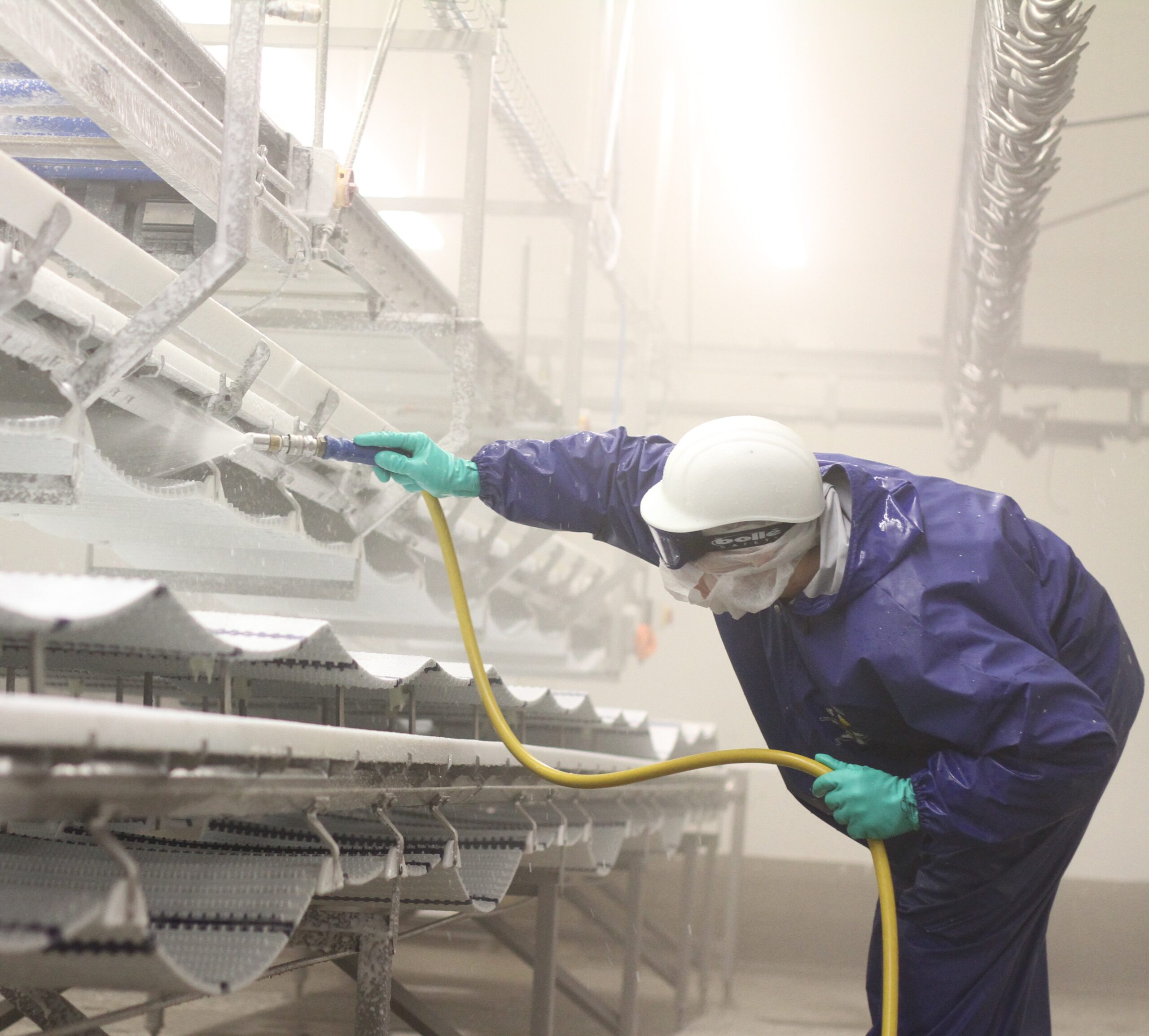
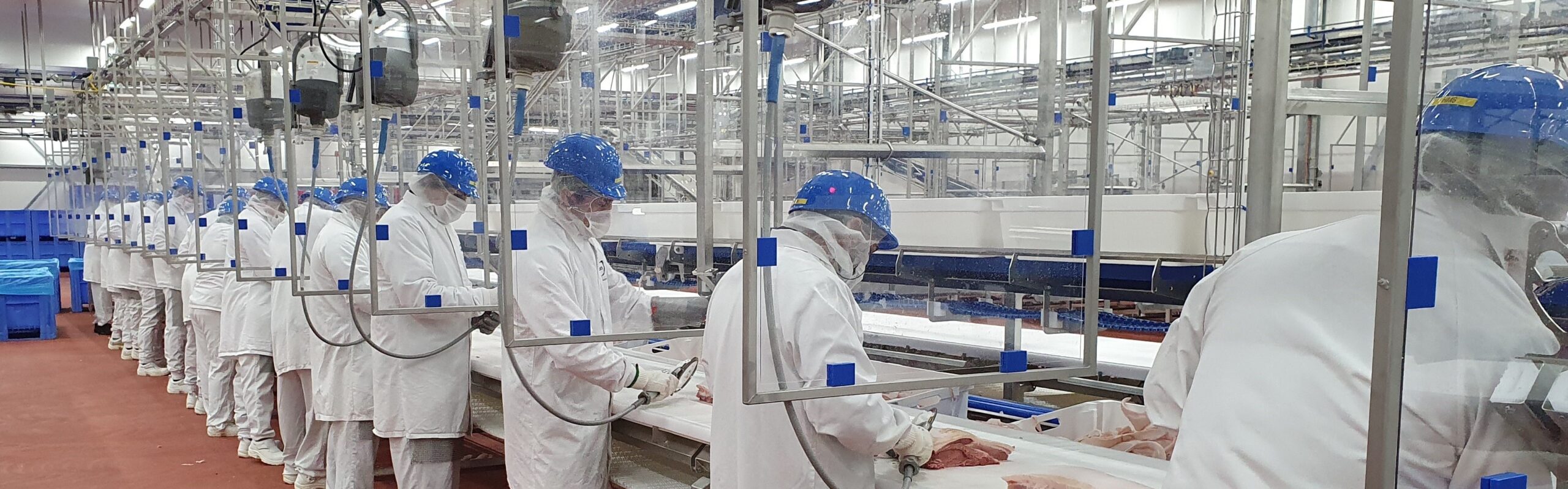
Announced and unannounced inspections of the Vion companies are held in accordance with an inspection schedule established by the NVWA. These hygiene inspections mainly concern the requirements imposed on food-producing companies based on food regulations. These check the hygiene characteristics of the location, such as management and maintenance, cleaning and disinfection of the production areas, the tracking system and a large number of additional requirements.
Independent inspections
Animal welfare at Vion slaughterhouses is assessed through customer inspections, independent audits and recognised quality and welfare programmes. Animal welfare requirements are also included in audits under schemes such as IKB, Beter Leven and QS. Several Vion locations are certified according to independent animal welfare standards.
During production, official veterinarians supervise compliance with animal health and welfare requirements by inspecting live animals and monitoring their handling, accommodation, stunning and slaughter. Any deviations are documented by the competent authorities and Vion in accordance with established procedures.
The competent authorities also conduct animal welfare audits covering the facilities, equipment and working practices. Camera systems support the monitoring of animal handling and key stages of the production process.